

Milky Way Globular Clusters
Posted: 7 October 2026
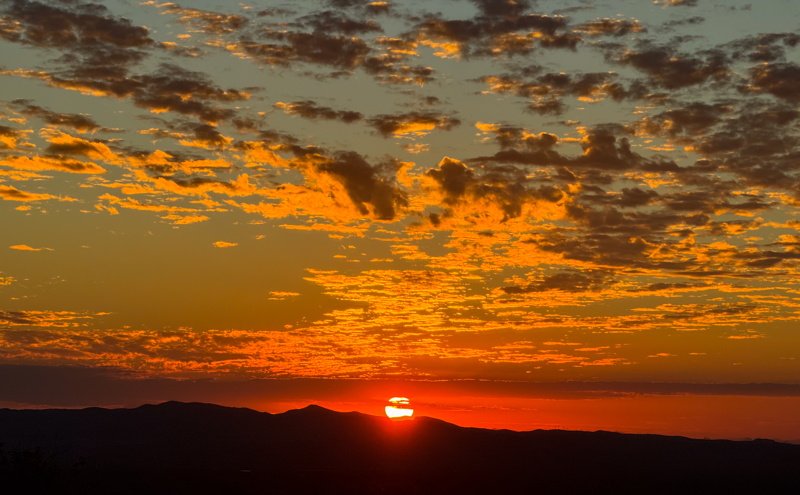
Friday, 2 October 2026, was clear, but strong wind kept me out of the observatory. Same for Saturday, 3 October, and Sunday, 4 October. The strong wind calmed down on Monday, 5 October, but clouds returned. Monday evening's sunset.
|
Open: Tuesday, 6 October 2026, 1810 MST Temperature: 92°F |
Session: 2156 Conditions: Mostly clear |
Equipment:
12" f/8 LX600 w/StarLock
2" 24mm UWA eyepiece
Focal reducer
Camera:
D850 DSLR
1815 MST: LX600 ON, StarLock OFF, High Precision OFF.
Viewed Venus, 102X. Very low in and through tree limbs. Thin crescent visible.
SYNCed on Antares. Prepared the D850 DSLR for imaging.
1827 MST: Relaxed on the observatory patio bench while waiting for the sky to get darker.
1902 MST: Back in the observatory. Mounted the D850 DSLR at prime focus, focused on the star Antares, locked the primary mirror.
1907 MST: Wi-Fi ON.
Used SkySafari 7 Pro on the iPhone to GOTO globular clusters for my Milky Way Globular Clusters Project.
1911 MST: StarLock ON.
Imaged the following globular clusters, StarLock autoguided, ISO 6400. All were small, faint, and very low in the southwestern sky. Conditions were not ideal.
Terzan 4 (2 minutes exposure due to skyglow)
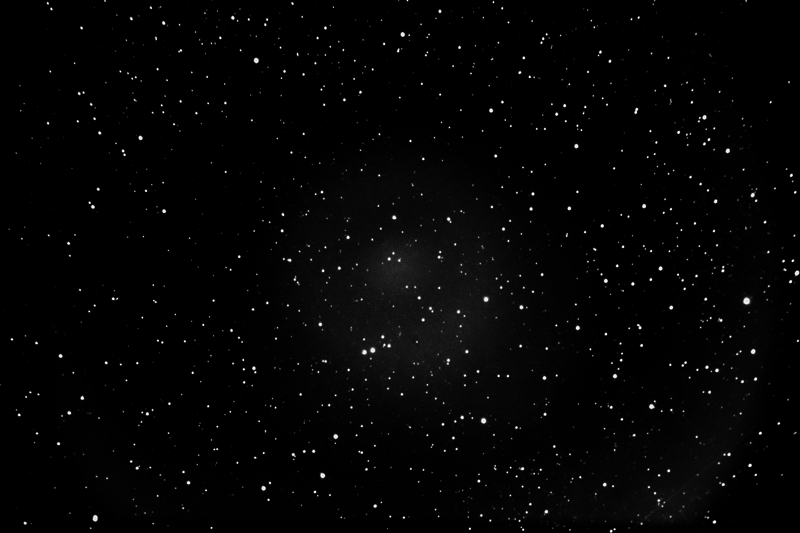
Haute Provence 1 (2 minutes exposure due to skyglow)
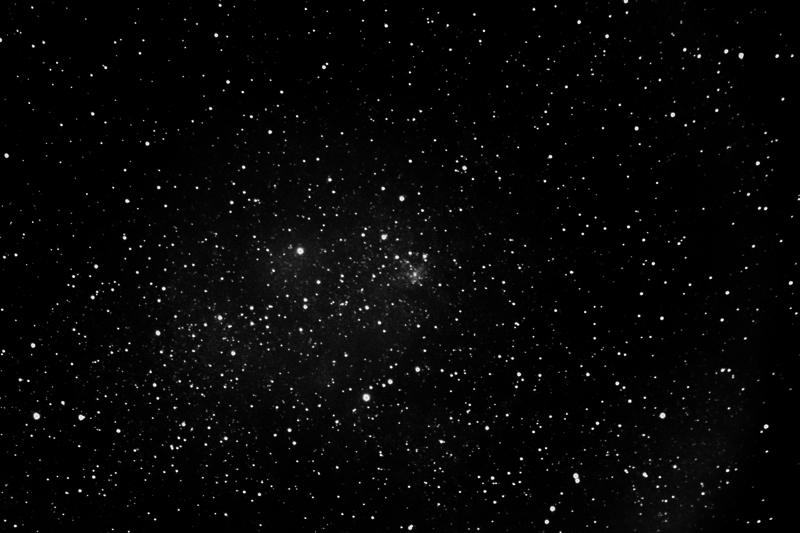
Liller 1 (2 minutes exposure due to skyglow)
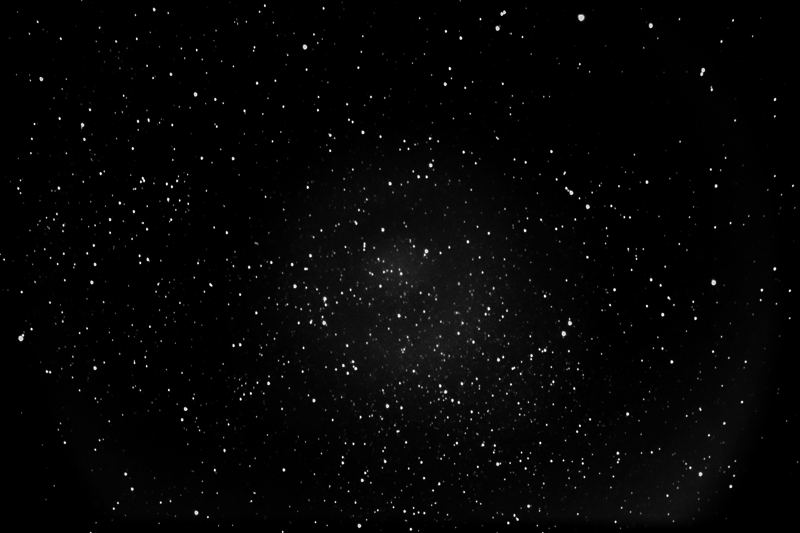
NGC6380 (1 minute exposure due to skyglow)
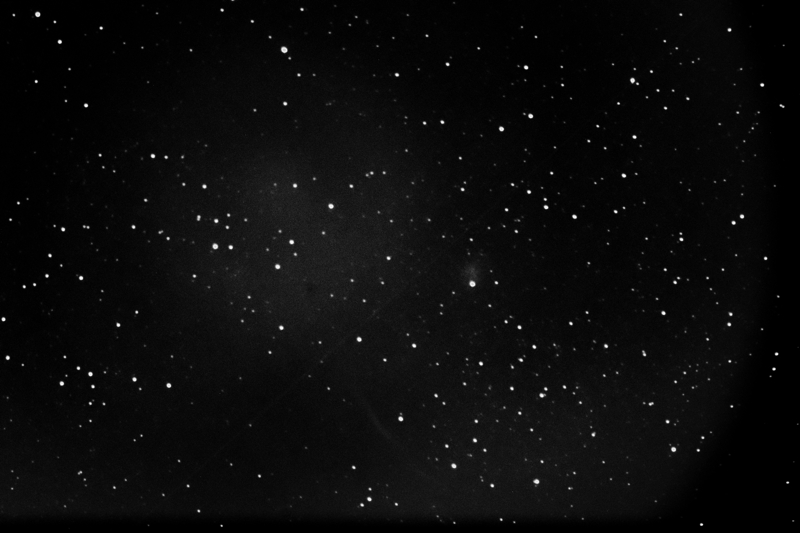
Terzan 1 (2 minutes exposure due to skyglow)
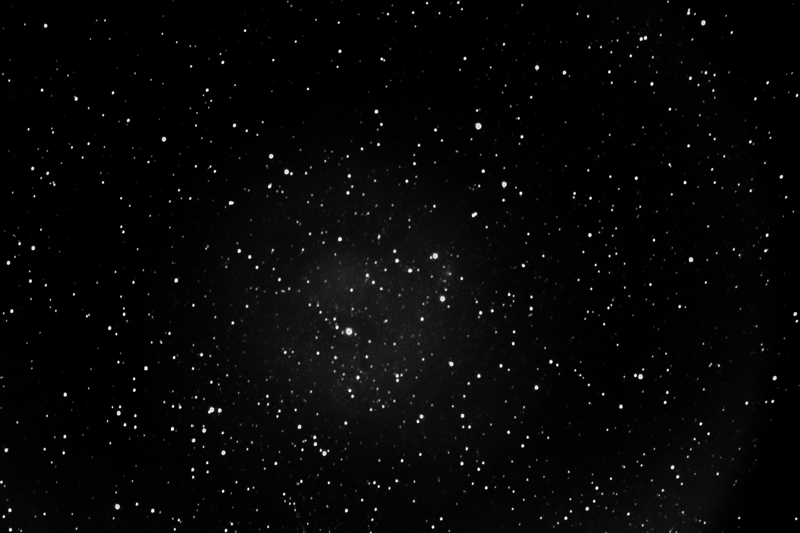
Tonanzintla 2 (2 minutes exposure due to skyglow)
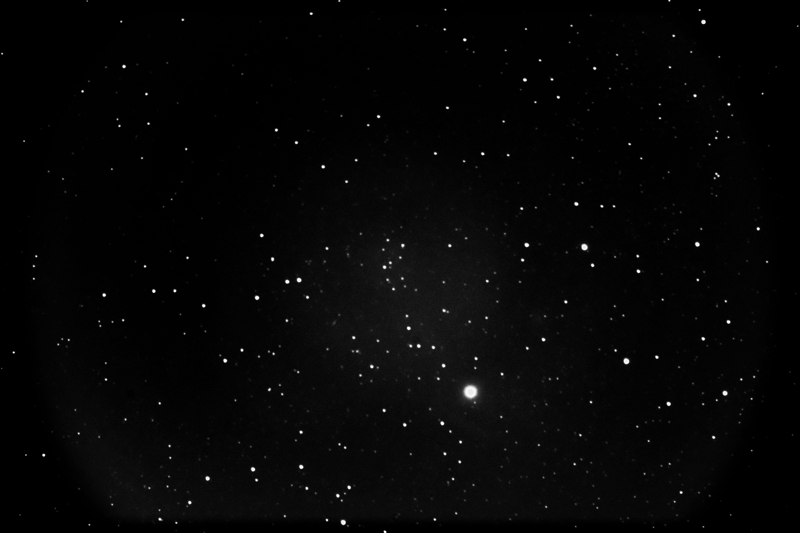
Then mounted the D850 DSLR at prime focus + focal reducer. Used SkySafari 7 Pro to GOTO Asteroid (52665) Brianmay, Mag. +19.7). I suspected that conditions were not good enough to image this faint asteroid, but I tried. During the one hour between exposures I relaxed on the observatory patio bench and enjoyed the night sky. Unfortunately, I was not able to get an image of the faint asteroid.
2018 MST: Wi-Fi OFF.
2125 MST: StarLock OFF.
Viewed Saturn, 102X.
2133 MST: LX600 OFF.
2142 MST: Took a Sky Quality reading. Did not report it to Globe at Night as the cloud cover had increased.
|
Close: Tuesday, 6 October 2026, 2145 MST Temperature: 70°F |
Session Length: 3h 35m Conditions: Partly cloudy, SQM 20.93 |
Comments are welcome using Email. Please read the Email Etiquette guidance.
Cassiopeia Observatory Home Page

Copyright ©2026 Michael L. Weasner / mweasner@mac.com.
URL = http://www.weasner.com/co/Reports/2026/10/07/index.html